Our Blog

How to Care for Your Invisalign® Aligners

April 8th, 2020

Is it possible to straighten the teeth without braces? Yes, it is. Welcome to the world of Invisalign aligners. Invisalign aligners are made from a clear, thermoplastic material that is custom made to fit your teeth. Unlike conventional braces, Invisalign aligners are removable. More importantly, the clear thermoplastic material makes the aligners invisible, which is ideal if the thought of metal braces and elastics make you self-conscious. For the best results, proper handling and care of your Invisalign aligners is important. Follow these steps to take care of your aligners:

1. Do not eat or drink hot beverages while wearing aligners. It's a good idea to get in the practice of removing the aligners before eating and drinking. Because the aligners are made of plastic resin, heat can distort and damage them. Also, eating while wearing the aligners will cause sugar and other food particles to stay on your teeth, which contributes to plaque and tooth decay.

2. Clean the aligner trays regularly. Invisalign aligners are exposed to the same bacteria and plaque that your mouth is, so you need to clean them as regularly as you clean your teeth. However, avoid cleaning the aligners with harsh chemicals. We recommend using a cleaning kit or some other type of specific solution. When it comes to cleaning Invisalign aligners, carefully follow the instructions given by Dr. Anthony Bisconti.

3. Store aligners in a cool, dry, safe place. When you’re not wearing the aligners, store them in the case provided by our office. If you don’t use the case, they can easily be lost. Keeping them out of reach of small children and pets is also a good idea. The last thing you want is for Fido to think your Invisalign aligners are chew toys.

4. Don’t chew gum while wearing aligners. There’s one thing that conventional braces and Invisalign aligners have in common: chewing gum damages both of them.

5. Don’t soak aligners in mouthwash. Many popular mouthwashes contain a color pigment. It’s possible that soaking Invisalign aligners in mouthwash will tint or stain them.

For more tips and tricks for a successful Invisalign experience, contact our Youngstown, OH office!

Foods that are Safe for Braces

April 1st, 2020

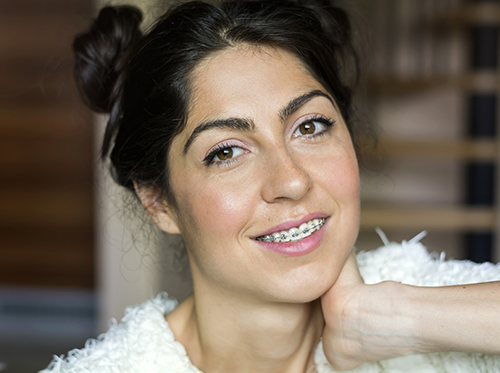
Orthodontic braces are used to straighten the teeth, which not only creates a more pleasing appearance, but also helps prevent tooth decay and other oral health problems. Braces are only effective when they are properly cared for, however. Certain foods, for example, are better suited for individuals who have braces, as opposed to hard and sticky foods that can cause damage. So, what types of foods should you or your kids eat to protect dental appliances?

The best foods to eat with braces are those that are not high in sugar and do not require excessive chewing. For breakfast, try eggs, yogurt, bacon, wheat toast, or oatmeal. Lunch may steer toward a banana rather than an apple, a salad without nuts, and a glass of water. If you are looking for some after-school snacks for your kids, consider baked tortilla chips with salsa and guacamole, or try string cheese with fruit.

A healthy dinner can include most types of vegetables, so long as they are cooked to an appropriate softness. Pair that with a lean protein, such as fish or chicken, and follow up with dessert. Just be sure to brush afterward!

Post-Tightening Foods

As braces begin to adjust the alignment of the teeth, our team at Bisconti Orthodontics will periodically tighten them to continue the alignment process. After tightening occurs, the teeth may be sore and sensitive to certain foods. During this time, it is best to eat soft foods. Examples include:

  • Pudding
  • Mashed potatoes
  • Soup
  • Ice cream
  • Cottage cheese
  • Peas
  • Pancakes
  • Pasta

Foods to Avoid

Anyone who wears braces – whether fixed or removable – should avoid excessive snacking and should aim to eat a healthy and balanced diet. It is also important to avoid foods that could cause damage to the braces, such as:

  • Hard candies
  • Gum
  • Nuts
  • Popcorn
  • Certain raw vegetables (for example, carrots)

Considerations

Regardless of what types of foods you eat with braces, it is important to keep the crevices between the teeth and around the braces very clean. That means brushing and flossing after meals to prevent the build-up of plaque and decay. Not only can failing to do so damage the teeth, but it can also cause discoloration.

Have more questions about orthodontic treatment? The Bisconti Orthodontics staff is always ready to answer all of your questions and help you get the most out of the treatment plan prescribed for you by Dr. Anthony Bisconti!

Adults and Braces

March 4th, 2020

Braces aren’t just for kids. Many grownups are taking advantage of orthodontic treatment and having their teeth straightened at a later age.

Sometimes, patients include adults who already had braces in the past, but their teeth shifted over time once they stopped wearing their retainers. In other cases, adults who have never had braces are tired of having crooked teeth and ready to invest in a beautiful smile.

Whatever the case may be, if you’re looking to straighten your teeth with braces, Dr. Anthony Bisconti would love to help you with this process. Having a dazzling smile can increase your confidence in all areas of your life!

Depending on what you’re willing to spend and how quickly you would like to complete the process, you have various options for getting braces. We all know what traditional metal braces look like. This is a less-expensive route for individuals who have severely crooked or displaced teeth. However, many adults avoid option because the braces are noticeable or distracting in a professional atmosphere.

For people concerned about aesthetics, clear ceramic braces may be a preferable option. This type can still fix extremely crooked teeth or jaw alignment issues. It may be slightly more expensive than traditional metal braces. Patients who choose this treatment route need to be careful not to stain the clear adhesives by drinking too much coffee, red wine, soda, or other beverages that can discolor teeth.

Another great option for adults who don’t want to have visible braces is a clear aligner treatment known as Invisalign®. This popular option differs from traditional braces by featuring a series of clear aligners that are each custom-made for your teeth.

The entire process can take anywhere from three to 18 months to straighten your teeth completely. This may not be the best choice for patients who have an overcrowded mouth or extreme bite issues. Invisalign is often the most expensive option, but it’s great if you’re concerned about your appearance while your teeth are being straightened.

If you’ve been thinking about straightening your teeth with the help of braces, don’t hesitate to contact our Youngstown, OH office to set up a consultation. From there, Dr. Anthony Bisconti can figure out the best course of treatment, depending on your budget and overall needs.

Adult braces can be a great way to boost your confidence and finally give you the smile you’ve always wanted.

Early Orthodontics

February 26th, 2020

The average age of individuals who get braces is between nine and 14, although it is appropriate for younger children to visit Bisconti Orthodontics for a consultation with Dr. Anthony Bisconti. While parents may be concerned about the efficacy of early orthodontics, research suggests that early intervention can prevent greater dental health problems later in life.

What types of conditions require early intervention?

According to the American Association of Orthodontists, 3.7 million children under the age of 17 receive orthodontic treatment each year. Early intervention may be appropriate for younger children with crooked teeth, jaw misalignment, and other common issues. Early orthodontic treatment may be of use for several types of problems:

  • Class I malocclusion. This condition is very common. It features crooked teeth or those that protrude at abnormal angles. In general, early treatment for Class I malocclusion occurs in two phases, each two years long.
  • Class III malocclusion. Known as an underbite, in which the lower jaw is too big or the upper jaw too small, Class III malocclusion requires early intervention. Because treatment involves changing growth patterns, starting as early as age seven is a smart choice for this dental problem.
  • Crossbite. Crossbite occurs when the upper and lower jaws are not properly aligned. An orthodontic device called a palatal expander widens the upper jaw, allowing teeth to align properly. Research suggests that early treatment may be beneficial in crossbite cases, especially when the jaw must shift laterally to correct the problem.
  • Tooth extraction. That mouthful of crooked baby teeth can cause problems when your child’s permanent teeth erupt. For kids with especially full mouths, extracting baby teeth and even permanent premolars can help adult teeth grow in straight.

Considerations when thinking about early intervention

Early intervention isn’t helpful for all conditions. For example, research suggests that there is little benefit to early orthodontics for Class II malocclusion (commonly known as an overbite). Instead, your child should wait until adolescence to begin treatment. Scheduling a visit to our Youngstown, OH office when your child is around age seven is a smart way to create an individualized treatment plan that addresses unique orthodontic needs.

American Association Of OrthodontistsAmerican Board Of Orthodontics 2015American Dental AssociationInvisalign

Services