Our Blog

Should I Get Braces?

October 28th, 2020
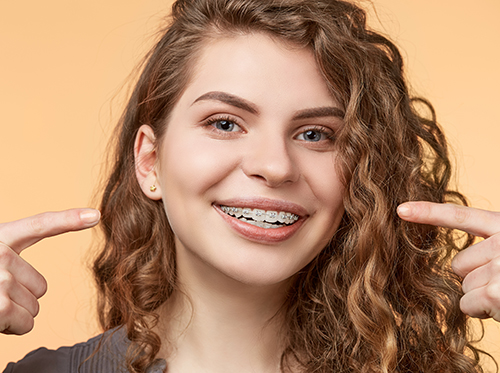
If you’re thinking about investing in braces, there are a few things you should take into consideration. It’s normal for adult teeth to come in crooked, which is why braces are a common solution for teens and adults who desire a beautiful smile.

Your dentist may recommend orthodontic treatment if crooked teeth begin to affect your or your child’s oral health. But many factors go into whether braces would be right for you or your child, or not.

Modern orthodontic treatments offer numerous options for the typical issues people face, such as crooked teeth or jaw alignment problems. Malocclusion, otherwise known as having a bad bite, is common in patients with crooked teeth.

Braces can be worn for a short period of time to correct uneven jaw alignment, which may be the cause of an underbite or overbite in patients. A retainer is worn afterward to keep the newly straightened teeth in place.

Now that one in five braces wearers is an adult, grownups have a variety of braces options. Braces are typically left on for at least one year to straighten teeth effectively. Options can include regular metal braces, clear braces, or Invisalign® aligners.

If you’re an adult and would prefer a discreet treatment, clear braces or Invisalign retainers are your best options. Dr. Anthony Bisconti will be able to provide you with a recommended best route of treatment depending on what you’re trying to accomplish and what your budget is. Before getting braces, it’s worth learning about all the methods of treatment available at Bisconti Orthodontics.

Be sure to contact your insurance company before your appointment to see if orthodontic treatments are covered; otherwise, you may want to plan to pay for out-of-pocket costs. If you have questions regarding the types of treatment we provide for our patients, call our Youngstown, OH office for more information.


 

Braces-Friendly Recipe: Dinner

October 21st, 2020

Wearing braces during your treatment at Bisconti Orthodontics presents some unique challenges in the types of food you can safely eat. The wrong items can be difficult to remove from between your teeth and the appliance. Other foods may even break or loosen your braces.

Dinner recipe ideas

Lasagna is a great dinner choice because it provides you with several food groups in one easy dish.

  • 1 ½ pounds ground hamburger
  • 1 garlic clove
  • 1 tsp. basil
  • 1 pound diced tomatoes — canned is fine
  • 12 oz. tomato paste
  • 1 package of dry spaghetti sauce mix for seasoning
  • 10 oz. box dry lasagna
  • 3 cups ricotta or cottage cheese or 1 ½ cups each mixed
  • ½-cup Parmesan cheese
  • 2 eggs
  • 1 pound sliced or shredded Mozzarella cheese

Brown and drain your hamburger meat. Dice the garlic and simmer the hamburger, garlic, basil, diced tomatoes, tomato paste and powdered sauce mix for ½ hour.

Cook the lasagna noodles as directed on the package and drain.

Beat the eggs and combine them with your ricotta or cottage cheese.

Layer ½ of the noodles in a 13 x 9 pan. Spread ½ of your cottage cheese mix on top of the noodles, then layer ½ of the mozzarella on top. Finish this layer with ½ of your hamburger mix. Repeat the layering with the other half of your ingredients. Bake at 350 F for 30 minutes.

Meats

You can enjoy ribs and chicken wings as long as you cut the meat from the bone before you eat. The same rule applies to turkey legs; do not gnaw on bones, because this can damage your braces.

Vegetables and fruits

You still need to include fruits and vegetables in your daily meals. Skip corn on the bob, whole apples, and raw carrots. Broccoli is soft but particles can become stuck in your braces, so be sure to brush and floss after your meal.

Desserts

Avoid caramel, taffy, and hard candies for dessert. Pudding and ice cream are fine, but low-sugar versions are best.

Remember that your mouth will be sore after adjustments with Dr. Anthony Bisconti. Stick to softer foods until the sensitivity is reduced. Please do not hesitate to ask our team for recipe and meal ideas. We will be happy to take the time to explain which foods items are the best choices and why.

If you have any questions about these recipes, or if you have any questions about eating with braces, please give us a call at our Youngstown, OH office!

How NOT to Forget Your Retainer

October 14th, 2020

The alarm sounds in the morning, you wake up and realize "I forgot to wear my retainer!"

If this only happened once, don't panic. Missing one night with a retainer is unlikely to cause significant teeth movement. However, if it has happened often, give our Youngstown, OH office a call to make sure your teeth haven’t shifted position.

Here are some tips from Dr. Anthony Bisconti to help you remember your retainer:

1. Write down the instructions we give you for wearing the retainer, whether you should wear it all day or at night, or just a few times a week. Writing things out like this helps set the schedule in your memory.

2. Clean the retainer when you take it out each time. If you don’t you may not have time when you’re rushing to get to work or school to clean it properly and may be tempted not to wear it.

3. Put a note on your mirror or in your purse or wallet reminding you to wear your retainer.

4. Set an alarm on your mobile phone to remind you when it’s time to put the retainer in. If you have email with a calendar you can set up daily reminders, too.

5. Always put the retainer in its case when you take it out to eat or sleep. You’ll reduce your risk for losing it or accidentally throwing it away.

6. If you don’t have to wear the retainer every day, you can use some recurring events to help you remember. With this system for example, watching your favorite weekly TV show, laundry day, or family pizza night can all serve as reminders that you should put in your retainer.

7. Don’t be shy about asking for help if you’re forgetful. Assure your spouse, parents, siblings, or roommates that you won’t consider if nagging if they remind you to wear your retainer.

8. Surf online for examples of how teeth can shift when retainers are not properly used. Those stories can serve as timely warning not to let the same thing happen to you!

Remember, you can always call our Youngstown, OH office if you feel your retainer is uncomfortable or painful. We'll work with you to protect your smile!

Invisalign® vs. Traditional Braces

September 30th, 2020

A great smile can go a long way. Scientific research suggests that people who smile are perceived as more attractive and confident than those who don’t flash their pearly whites. When it comes time to invest in orthodontics to improve your beautiful smile, choosing the best option can be daunting. Comparing Invisalign to traditional braces is a great way to determine what orthodontics make most sense for your unique smile.

How is Invisalign different?

Unlike traditional braces, in which brackets are affixed onto each tooth and connected by wires Invisalign corrects orthodontic problems using a set of clear trays. These trays are specially formed to fit your teeth, allowing you to wear them 24/7.

Aesthetics

One of the primary advantages of Invisalign is that the clear trays are nearly invisible. Particularly for adults self-conscious about appearing professional with traditional braces, Invisalign can correct orthodontic issues without capturing the notice of others. Their nearly invisible appearance is one of the topmost reasons that orthodontic patients choose Invisalign.

Complexity of the Orthodontic Problem

Invisalign works well for people who have relatively minor problems, such as crooked teeth or small gaps between teeth. For more complex problems, particularly issues with bite or vertical problems (i.e., one tooth being significantly higher than another), traditional braces may be better at pulling teeth into alignment.

Eating and Drinking

Invisalign trays are removable, meaning that you cannot eat or drink while wearing them. Unlike traditional braces, however, you are not limited in the foods you may eat. Chewy, sticky, or hard foods may be eaten, provided that you brush your teeth before reinserting the Invisalign trays.

In the end, only you can weigh the pros and cons of Invisalign versus traditional braces. Consult with Dr. Anthony Bisconti to understand how these orthodontic interventions may work for your unique situation.

American Association Of OrthodontistsAmerican Board Of Orthodontics 2015American Dental AssociationInvisalign

Services